Hiring vs Buying tools
We weigh up the pros and cons of buying vs hiring tools and equipment
Table of Contents
Hiring vs buying tools and equipment
If you need specific tools and equipment for a project, beyond borrowing from a reliable neighbour who has one of everything in their garage or shed, you will need to hire or buy.
Whether the equipment is for a business or personal use, there are several factors you can consider to help you calculate the best option.
Decisions of this nature can be made by considering the financial aspects, the opportunities, and risk.
Consider your budget & the ongoing costs
Of course, purchasing tools and equipment will seem like an investment as you will own the gear outright. However, new, quality tools, equipment, and plant can be expensive. A smaller budget might mean purchasing lesser equipment, which might not produce a satisfactory result. On top of the initial cost, there are other expenditures that you may need to consider. Insurance, statutory inspections, maintenance, storage, and transport rates can accumulate, adding to your outlay regularly.
At National Tool Hire Shops, we have a huge catalogue of high-end products, from power tools, like disc cutters and drills, to plant, like mini diggers and dumpers. We offer professional standard equipment available for convenient periods, including 24 hours, 48 hours, Monday-Friday, and weekly hire. You can see the total cost, with deposits, damage waivers, VAT, and delivery charges upfront, before you make a booking.
Opportunity
How often will you use the equipment?
If you need equipment for a one-off job or short-term project, making a purchase might not make much sense. You can hire the tools you need for the specific time frame you’ll use them, with no further responsibilities. You can always extend or rebook a hire if you need more time working with the equipment.
If you use the equipment regularly or for an extended period, it may be worth calculating what it would cost you annually to own the product against what it would cost you to hire it.
Risk
How can you stand to lose out?
Tools and machinery devalue over time. Depending on how quickly the technology advances and how well you can maintain the equipment, resale value can vary drastically. If you purchase an expensive piece of equipment then rarely use it, leaving it unchecked, and in storage, you could be throwing away a chunk of cash.
Tool hire is a hassle-free and flexible way to access the latest tools without worrying about any hidden costs or other logistics.
Summary
What are the advantages of hire?
Availability. Nationwide hire depots offering immediate, short-term availability.
Range. Extensive catalogues that are regularly updated, offering access to the latest tools.
Affordability. Tool hire can be inexpensive compared to the market price of the product.
Flexibility. Hire specific equipment for specific jobs as and when needed.
Services & maintenance. Hire fleets are routinely inspected and repaired by engineers. You are covered for breakdowns due to mechanical failure.
Delivery & collection. You can easily have transport to and from the site arranged for you.
Support & advice. You may be able to receive demonstration and instruction on using the machine at the start of your hire.
What are the disadvantages of hire?
No ownership
What are the advantages of buying?
Product ownership
Availability
Flexibility
What are the disadvantages of buying?
Large initial investment
Storage required
Frequent service & maintenance costs
Statutory inspection costs
Site downtime
Transport costs
Hire Vs Buy Calculator
If you are still unsure whether you’d benefit more from hiring or buying, we have outlined some variables below that you can use to research the annual cost.
Hire Costs
Firstly, work out approximately how many days a year you would be using the equipment.
Next, find out the average weekly market hire rate for the equipment.
Using these two figures, you’ll be able to estimate an annual cost. For example, hiring a piece of equipment with a weekly rate of £75 across 255 working days would equal £2,732.12.
Purchasing Costs
First, find out the total price of the equipment. If finance is available, consider that when calculating the final figure.
Then, get a quote on the delivery, including all necessary pre-delivery checks. The transit for large or heavy items can be expensive, and there may even be a premium depending on location and expected delivery time.
Next, consider the annual costs for insurance, repair, maintenance, servicing, and statutory inspections, such as LOLER and PUWER. Also, estimate or use the previous year to forecast the number of incidents that would result in damage, loss, or insurance claims. Work out what the payable excess would be on the insurance claim.
You can estimate the working hours you’d spend on the accounts for purchasing and insurance, taking delivery, and equipment maintenance, and how much that time is worth to you or your business. You might also want to work out what period the equipment cost will depreciate and its end of life value. Most companies will depreciate equipment between 3 to 5 years, for reference.
Once you have thoroughly researched and calculated the above, you can compare it to your estimate for the annual hire, allowing you to make an informed decision on whether hire or a purchase is more commercially viable.
Related Articles
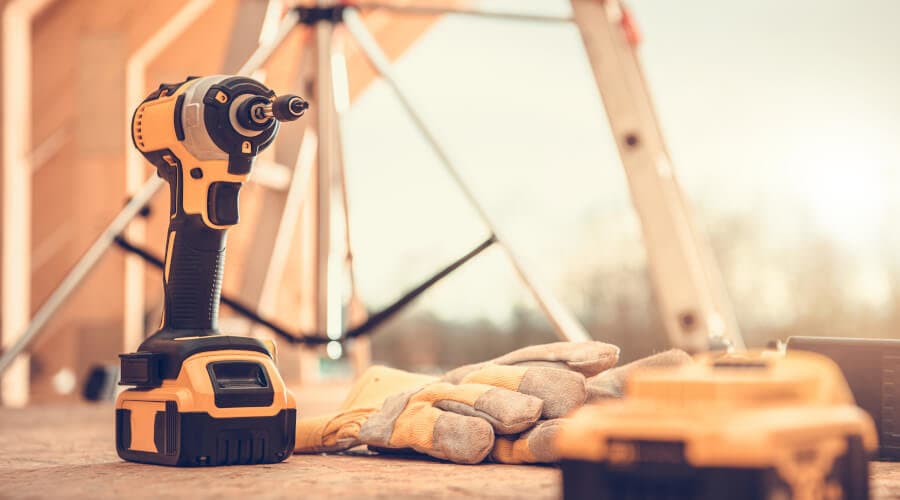
What Is The Difference Between 110v And 240v Power Tools?
Read our blog to find out what is the difference between 110v and 240v power tools, their uses, and which one you need.
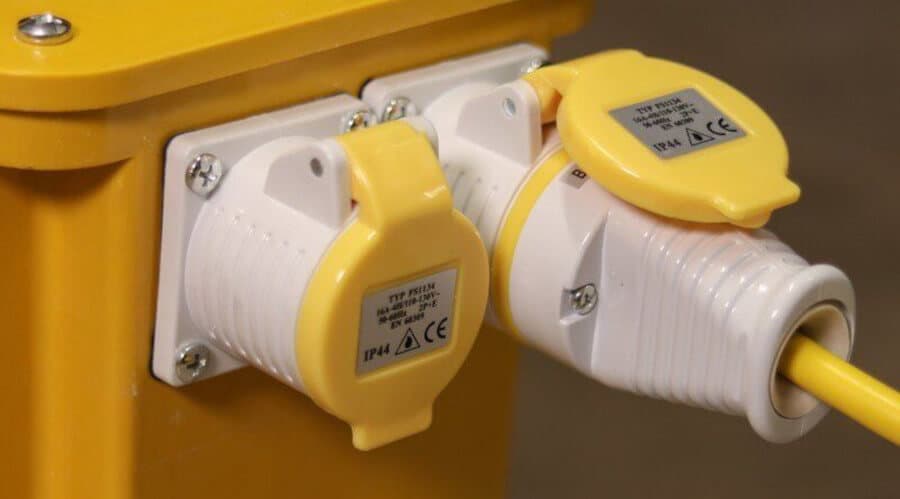
Do I need a transformer?
This is a question we are often asked by customers when they want to hire power tools for home DIY jobs. Read our blog to find out if you need to use a transformer with your power tools.
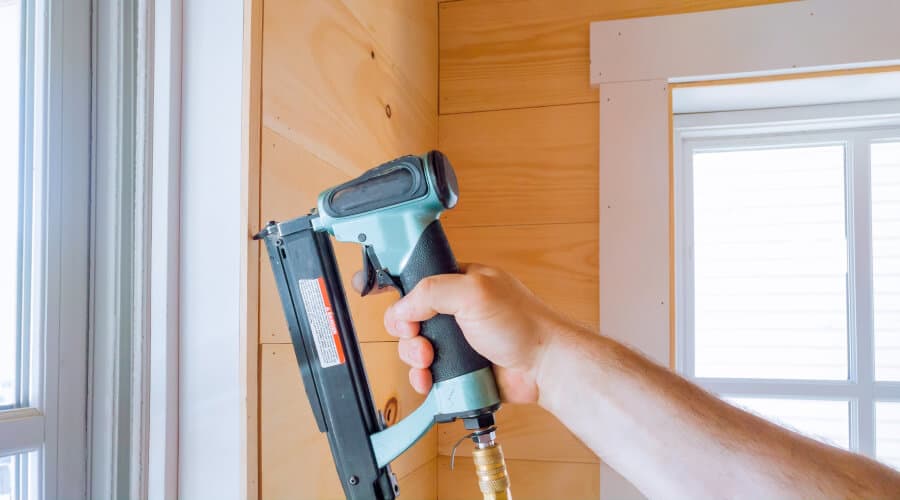
The difference between first fix & second fix nail guns
Confused to whether you need a first fix or second fix nail gun? We're here to help - read our guide to make sure you hire the best nail gun for the job.